Anime sub-styles to name in your prompt
- Slice-of-life: soft pastel palette, everyday settings, gentle motion. Works beautifully for lo-fi and ambient content.
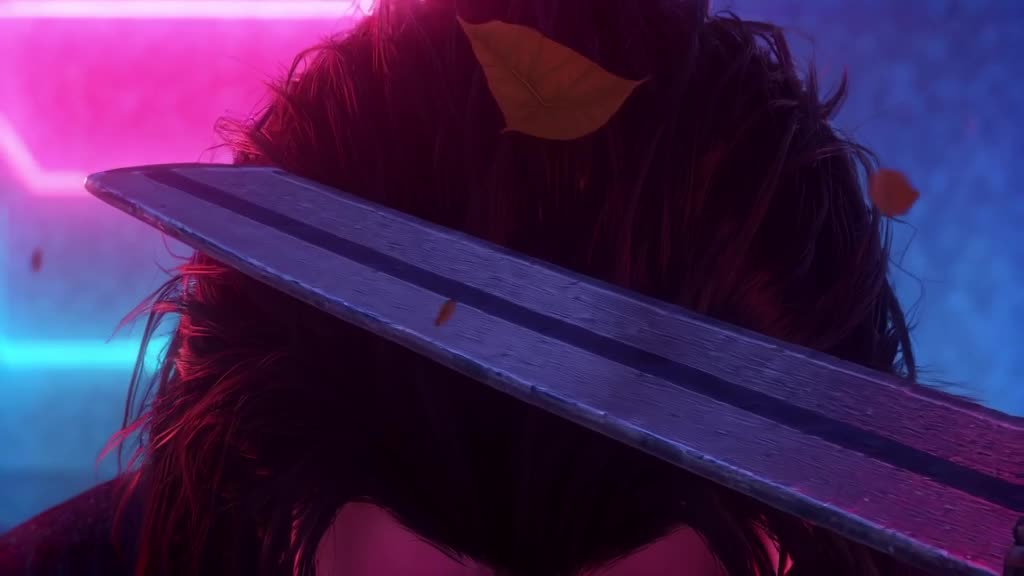
- Shonen action: speed lines, dramatic angles, dynamic poses, impact frames.
- Painterly scenery: hand-painted skies with towering clouds, detailed backgrounds, lens flare.
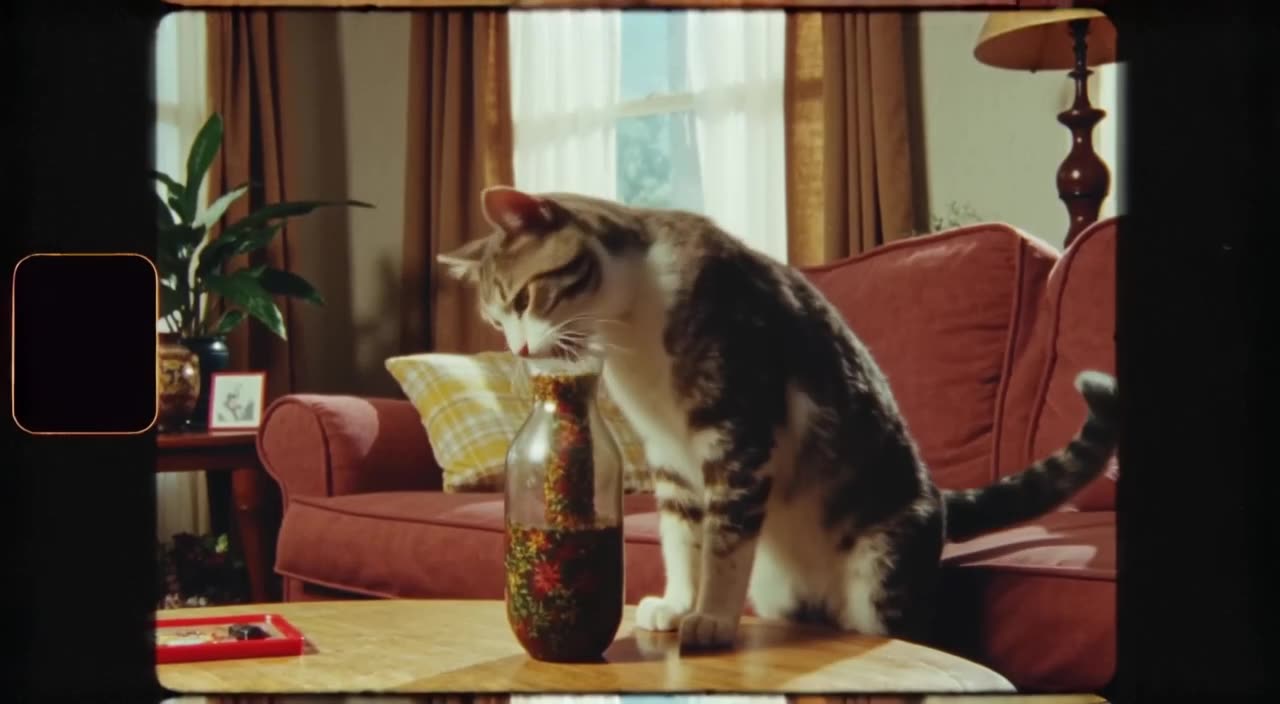
- Retro 90s anime: cel shading, film grain, muted colors, slightly soft image.
- Chibi: small, cute characters with big heads, bouncy motion, simple backgrounds.
Describe the traits you want rather than naming a specific studio or series, and do not recreate copyrighted characters.
Anime scene prompts
- Anime style, a two-car train crosses a railway flooded with shallow water under a vast summer sky full of cumulus clouds, reflections on the water, slow side tracking shot.
- Retro 90s anime, a girl with headphones studies at a desk by a window at night, rain streaking the glass, desk lamp glow, a cat sleeping on the books, static camera.
- Shonen action anime, a swordsman in a long black coat stands on a cliff edge as wind whips his coat, cherry petals blow past, low angle, dramatic sunset.
- Painterly anime scenery, lanterns rise into a starry sky over a lakeside festival, crowd in silhouette, slow tilt up.
- Chibi anime, a tiny fox spirit bounces across floating stepping stones in a pond, sparkles, bright pastel colors.
Make it now — first 3 videos free
Then $1 per video, no subscription, no watermark.
Create a videoTurning anime art into motion
If you already have an anime illustration, your own or one you have the rights to, image-to-video is the most reliable route. The illustration fixes the character design and line style; your prompt adds subtle anime-typical motion: hair and clothes moving in wind, blinking, drifting petals, light shifting across the scene. Anime traditionally uses limited, deliberate motion, so small movements look authentic. A good test: if the motion would take an animator only a handful of drawings, the model will probably handle it cleanly. A full turn-around, a run cycle toward the camera or a fight exchange is much riskier, so break those into several short clips and pick the best takes. The image to video AI page explains how to choose a source image.
Model and format for anime
Turbo is fine for scenery, weather and ambient loops, and it lets you try more compositions. Pro is better for character close-ups, faces and action, where line work and proportions need to stay steady. Keep action clips at 4-5 seconds; scenery can run the full 8.
9:16 fits anime edits on TikTok, Reels and Shorts; 16:9 is right for YouTube, lo-fi streams and wallpaper-style videos. For a looping study-room scene, the AI video loop guide helps. Also see the broader AI animation generator page for other techniques.
Common anime-generation problems
- Faces go semi-realistic: start the prompt with anime style and add cel shading, clean line art.
- Eyes drift or flicker: use Pro, shorten the clip, and avoid fast head turns.
- Too much motion everywhere: say what stays still, e.g. character still, only hair and petals move.
- Japanese signs look like gibberish: skip text in the scene and add it in an editor if needed.
Cost example: an anime-style edit of eight shots with a couple of retries is about 12 generations: 3 free, 9 from a $20 top-up, 11 credits left that never expire. Clips post to the public feed unless you Unpublish them. Generate your anime scene.
Can I animate my own anime drawing?
Yes. Upload it and describe the motion with image-to-video; the drawing becomes the first frame.
Can I make a full anime episode?
Each clip is 3 to 30 seconds, so longer stories are built from many clips edited together. Clips can have generated ambience and effects; voices and specific music are added in an editor.
Which mode gives better anime faces?
Pro, the quality mode. Use Turbo for scenery and quick tests.
Can I recreate characters from a famous series?
Please do not. Create your own characters and describe the style traits you like instead.
How much does it cost?
3 free videos after signup, then $1 per video, with no subscription and no expiring credits.